

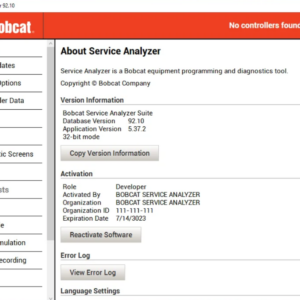
![DAF Davie Runtime v5.6.1 Davie XDc ll [02.2019] + Expire Fix 302.00 Unlock ( Windows 7 )](https://www.ecuforcetruck.com/wp-content/uploads/2021/09/Capture-2-300x300.png)
Related products

-

Volvo All Engines (2010 Emissions) Fault Code: SPN 5319 FMI 31 PID: Aftertreatment 1 DPF Incomplete Regeneration
All Engines (2010 Emissions) -
-
-
-
-
-
-
Volvo All Engines (2013 Emissions) Fault Code: P2BA900 PID: EMS NOx Exceedence – Insufficient Reagent Quality
All Engines (2013 Emissions) -
-
-
-
-
Volvo All Engines (2004 Emissions) Fault Code: PPID 55 FMI 5 ECU Temperature
All Engines (2004 Emissions) -
-
Detroit DD13 GHG14 (2014-16) Fault Code: SPN 97 FMI 16 (MCM) Water-In-Fuel Warning
DD13 GHG14 (2014-16) -
-
Detroit DD13 GHG14 (2014-16) Fault Code: SPN 711 FMI 5 (CPC) Open Circuit
DD13 GHG14 (2014-16)